
Essential Tax Tips for Sole Traders in Australia: Your Go-To Sole Trader Tax Advice
- MDP Accounting & Tax

- Apr 21
- 4 min read
Running your own business as a sole trader in Australia is exciting, but it also means you need to stay on top of your tax obligations. Navigating tax rules can feel overwhelming, but with the right guidance, it becomes manageable. In this post, we’ll share essential tax tips to help you stay compliant, reduce stress, and make smart financial decisions. Let’s dive into some practical advice that can make a real difference for your business.
Understanding Sole Trader Tax Advice: What You Need to Know
When you operate as a sole trader, your business income is treated as your personal income for tax purposes. This means you report your business earnings on your individual tax return. It’s important to keep accurate records of all your income and expenses throughout the year. Doing this not only helps you claim the right deductions but also makes tax time much easier.
Here are some key points to keep in mind:
Register for an Australian Business Number (ABN) if you haven’t already. This is essential for invoicing and dealing with the Australian Taxation Office (ATO).
Keep separate bank accounts for your business and personal finances. This separation simplifies tracking your business transactions.
Track all your expenses carefully. This includes receipts for office supplies, travel, phone bills, and any other costs related to your business.
Understand your tax obligations, including when to lodge your Business Activity Statement (BAS) if you’re registered for GST.
By staying organised and informed, you’ll find managing your tax responsibilities much less stressful.

Practical Sole Trader Tax Advice for Maximising Deductions
One of the best ways to reduce your tax bill is by claiming all the deductions you’re entitled to. As a sole trader, you can claim expenses that are directly related to running your business. Here are some common deductions you should consider:
Home office expenses: If you work from home, you can claim a portion of your rent, electricity, internet, and phone bills.
Vehicle expenses: If you use your car for business purposes, you can claim fuel, maintenance, and depreciation costs. Keep a logbook to record your business kilometres.
Tools and equipment: Purchases like computers, software, and tools used for your business can be claimed.
Professional services: Fees paid to accountants, lawyers, or consultants related to your business are deductible.
Training and education: Courses or workshops that improve your skills for your business can also be claimed.
Remember, it’s crucial to keep receipts and records for all these expenses. The ATO may ask for evidence if you’re audited.
What is the 80% Rule for Sole Traders?
You might have heard about the 80% rule when it comes to claiming expenses as a sole trader. This rule is a simple guideline to help you determine how much of an expense you can claim if it’s used for both personal and business purposes.
Here’s how it works:
If you use an item or service more than 80% for business, you can claim the full amount as a deduction.
If the business use is less than 80%, you can only claim the portion that relates to your business.
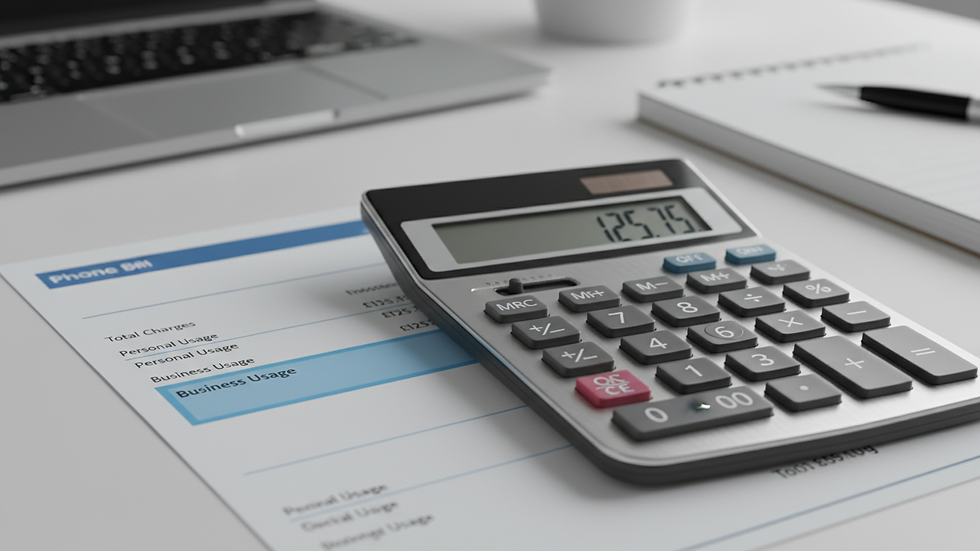
For example, if you use your phone 70% of the time for business and 30% for personal calls, you can only claim 70% of your phone bill as a deduction. But if your business use is 85%, you can claim the entire bill.
This rule helps keep your claims fair and compliant with tax laws.
Staying Compliant: Record Keeping and Reporting Tips
Good record keeping is the backbone of stress-free tax management. The ATO requires you to keep records for at least five years, so it’s important to have a system that works for you. Here are some tips to keep your records in order:
Use accounting software or apps designed for small businesses. These tools can automate much of the process.
Scan and save digital copies of all receipts and invoices.
Regularly reconcile your bank statements with your records.
Set reminders for important tax dates, such as BAS lodgement and income tax deadlines.
Keep a mileage log if you claim vehicle expenses.
By staying organised throughout the year, you’ll avoid last-minute scrambles and reduce the risk of errors.
Planning Ahead: Tips for Managing Your Tax Payments
As a sole trader, you’re responsible for paying your own tax, including income tax and possibly GST. Planning ahead can help you avoid surprises and manage your cash flow effectively.
Here’s what we recommend:
Set aside money regularly for your tax bill. A good rule of thumb is to put aside around 25-30% of your income.
Consider making quarterly PAYG (Pay As You Go) instalments if your tax liability is significant. This spreads your payments throughout the year.
Review your income and expenses mid-year to estimate your tax position. This helps you adjust your savings if needed.
Seek professional advice if your business structure or income changes significantly.
Taking these steps will help you stay on top of your tax obligations and avoid penalties.
Why Getting the Right Support Matters
Navigating tax as a sole trader can be complex, especially if your business grows or your financial situation changes. That’s why it’s important to have access to clear, reliable advice and flexible support. Whether you’re a healthcare professional, tradesperson, or run a small to medium enterprise, having a trusted advisor can make all the difference.
If you want to explore more **sole trader tax tips** and get tailored advice, don’t hesitate to reach out to a professional who understands your unique needs.
By staying informed and proactive, you’ll build a strong foundation for your business and enjoy peace of mind when tax time comes around.
We hope these insights help you feel more confident managing your tax as a sole trader. Remember, good habits and smart planning are your best tools for success. Keep your records tidy, claim your rightful deductions, and plan ahead to make tax time a breeze!


Comments