
Smart Accounting Solutions for Small Businesses
- MDP Accounting & Tax

- Feb 17
- 4 min read
Managing finances can feel overwhelming, especially when you're running a small business. But it doesn’t have to be that way. With the right tools and strategies, accounting can become one of the easiest parts of your business. Today, we’re diving into smart accounting solutions for small businesses that help you stay on top of your finances, reduce stress, and make smarter decisions.
Why Smart Accounting Solutions Matter for Small Businesses
Running a small business means juggling many roles. From marketing to customer service, your to-do list is endless. Accounting might not be your favourite task, but it’s crucial. Smart accounting solutions simplify this process by automating routine tasks, improving accuracy, and giving you real-time insights into your financial health.
For example, cloud-based accounting software lets you access your books anytime, anywhere. This flexibility means you can check your cash flow on the go or share reports with your accountant without hassle. Plus, many solutions offer features like invoicing, expense tracking, and tax calculations all in one place.
By adopting these tools, you’re not just saving time—you’re also reducing errors and ensuring compliance with tax laws. This is especially important for businesses with complex financial structures or those operating in regulated industries.
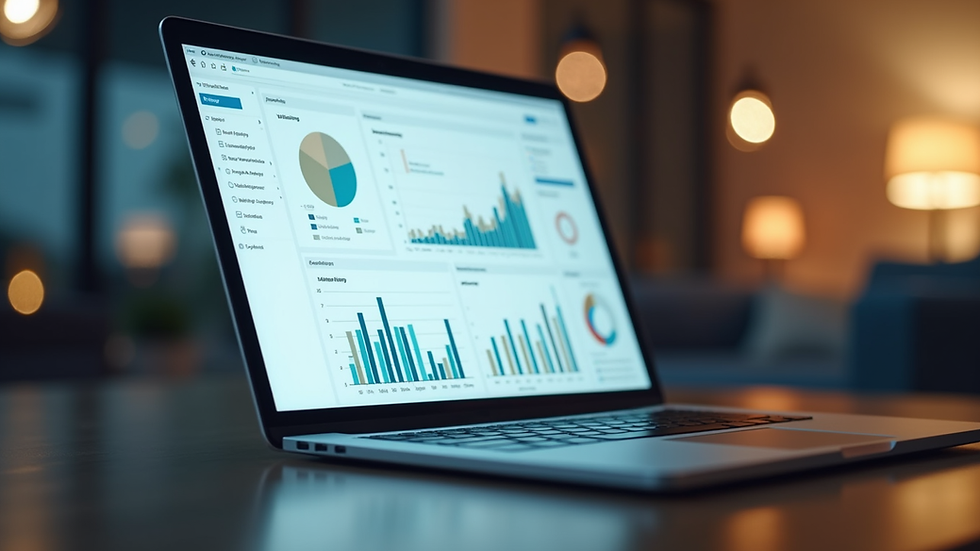
Smart accounting software dashboard showing financial summaries
Exploring Effective Accounting Solutions for Small Businesses
There’s a wide range of accounting solutions tailored to small businesses. Choosing the right one depends on your business size, industry, and specific needs. Here are some popular options and what they offer:
Cloud Accounting Software: Platforms like Xero, QuickBooks Online, and MYOB are popular choices. They offer automated bank feeds, invoicing, payroll, and tax reporting. These tools are user-friendly and designed for non-accountants.
Bookkeeping Services: If you prefer to focus on your core business, outsourcing bookkeeping to professionals can be a smart move. This ensures your records are accurate and up to date without you lifting a finger.
Mobile Apps: For tradespeople and contractors often on the move, mobile accounting apps allow you to capture expenses, send invoices, and track payments from your phone.
Integrated Payment Systems: Some accounting solutions integrate with payment gateways, making it easier to reconcile sales and manage cash flow.
Customised Solutions for Not-for-Profits: These often include grant tracking, donor management, and compliance reporting features.
When selecting a solution, consider ease of use, scalability, customer support, and integration with other tools you use. Remember, the goal is to find a system that fits your workflow and grows with your business.

Mobile accounting app interface for on-the-go expense tracking
Which Accounting Method is Best for Small Business?
Choosing the right accounting method is just as important as picking the right software. The two main methods are cash accounting and accrual accounting.
Cash Accounting records income and expenses when money actually changes hands. It’s simple and works well for small businesses with straightforward transactions.
Accrual Accounting records income and expenses when they are earned or incurred, regardless of when cash is received or paid. This method provides a more accurate picture of your financial position, especially if you deal with credit or have inventory.
For many small businesses, cash accounting is easier to manage and sufficient for tax purposes. However, if your business grows or you need detailed financial reports, accrual accounting might be the better choice.
It’s a good idea to discuss your options with an accountant who understands your industry and business goals. They can help you decide which method aligns best with your needs and compliance requirements.
How to Implement Smart Accounting Solutions in Your Business
Getting started with smart accounting solutions doesn’t have to be complicated. Here’s a simple step-by-step approach:
Assess Your Needs: Identify what accounting tasks take up most of your time or cause errors. Do you need better invoicing, expense tracking, or tax management?
Research Options: Look for solutions that match your needs and budget. Take advantage of free trials to test usability.
Set Up Your System: Import your existing financial data, connect your bank accounts, and customise settings like tax rates and invoice templates.
Train Your Team: If you have staff, ensure they understand how to use the new system. Many software providers offer tutorials and support.
Automate Routine Tasks: Use features like automatic bank feeds, recurring invoices, and payment reminders to save time.
Review Regularly: Schedule monthly or quarterly reviews of your financial reports to stay informed and catch issues early.
By following these steps, you’ll build a reliable accounting system that supports your business growth and compliance.
Making the Most of small business accounting solutions
Using the right accounting tools is just the start. To truly benefit, you need to integrate them into your daily operations and financial planning. Here are some tips to maximise your investment:
Keep Your Records Updated: Regularly enter transactions and reconcile accounts to avoid last-minute stress during tax time.
Leverage Reporting Features: Use dashboards and reports to monitor cash flow, profitability, and expenses. This helps you make informed decisions.
Plan for Taxes Early: Set aside funds for tax payments and use software reminders to avoid penalties.
Seek Professional Advice: Even with smart solutions, consulting an accountant ensures you’re compliant and optimising your tax position.
Stay Informed About Changes: Tax laws and accounting standards evolve. Choose solutions that update automatically and keep you informed.
By combining technology with good financial habits, you’ll reduce stress and build a solid foundation for your business.
Smart accounting solutions are more than just software—they’re a way to take control of your business finances with confidence. Whether you’re a healthcare professional, a tradesperson, or running a not-for-profit, the right tools and approach can make all the difference. Let’s embrace these solutions and make accounting one less thing to worry about.


Comments